Have you been writing?
It’s well past time to record what matters most to you. I, for one, want to read it.

Check in
The darkness at the end of January
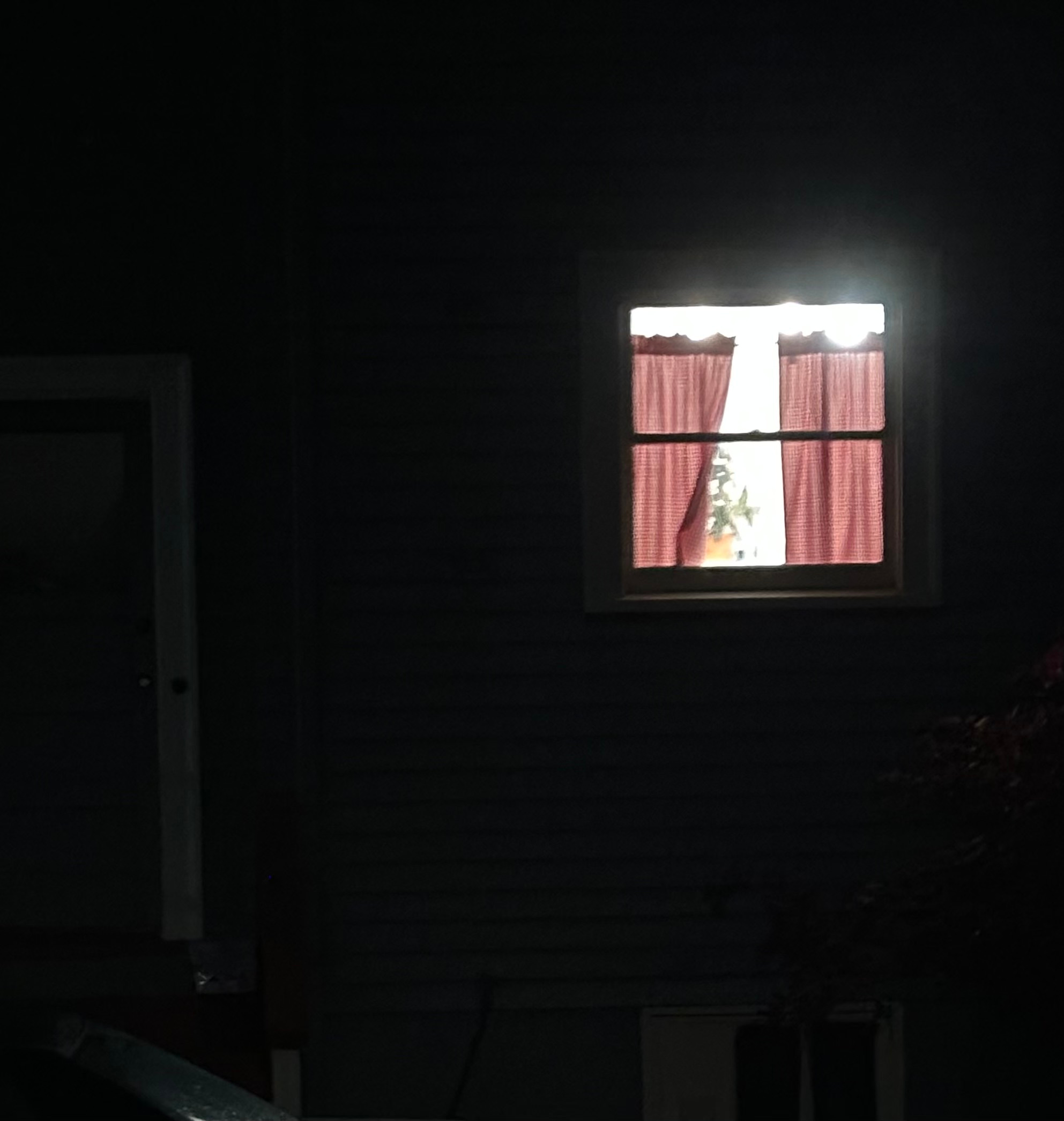
The Western, Cartesian view of the world sees light and dark as opposites, antitheses—one illuminating, the other frightening.
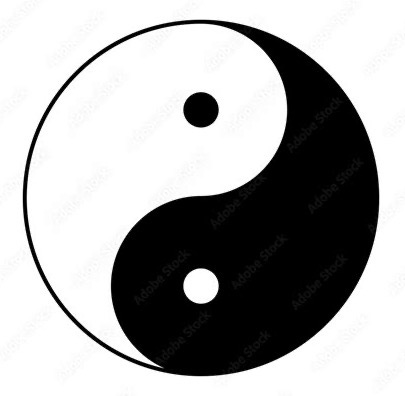
Chinese philosophy sees light and dark as each containing the other.
There is good in darkness. The softness of lost time. The absence of bright questioning. The throbbing of a heartbeat heard, thoughts whispered, intimations divined.
In darkness, you lose the sensation of sight, with other senses enhanced.
Many years ago, when I could still walk unaided, a friend took me to visit her cabin in the Gifford Pinchot National Forest. On an overcast night, I experienced the dark as I never had. We were outside, all lights extinguished, and I was totally disoriented. My eyes didn’t adjust to ambient light, because there was none. My friend took me by the arm and guided me. How she could navigate in that Stygian gloom I’ve never understood. But she brought me back to light, still standing.
Never really dark
Since then, in my experience, darkness has never been so total. When I turn out all the lights in my home, streetlights sneak through the blinds. Little lights—green, blue, red and white—indicate that various electronics are plugged in and operative. I cover as many of those pesky lights as I can with electrician’s tape, but some still shine. On the stove, the microwave, the TV cable box, my phone—time is lit up, inescapable.
Those who are fastidious about small glimmers of light can always use blackout curtains and face masks. Me, I can handle pinpoints of light in the bedroom. I hump the quilt around my ears and drift off. Darkness overwhelms me, embraces me, covers me.
I am secure in the womb of the universe.
Have you been writing?
Monthly goals
You may remember that my goal for Becoming for January was buy nothing (except necessities). If you went along with this, how did it work for you? I may have bought a book or two. Along with a lot of coffee shop coffee.
To me, buying coffee is less about consumption and more like rent for the use of the writing space.
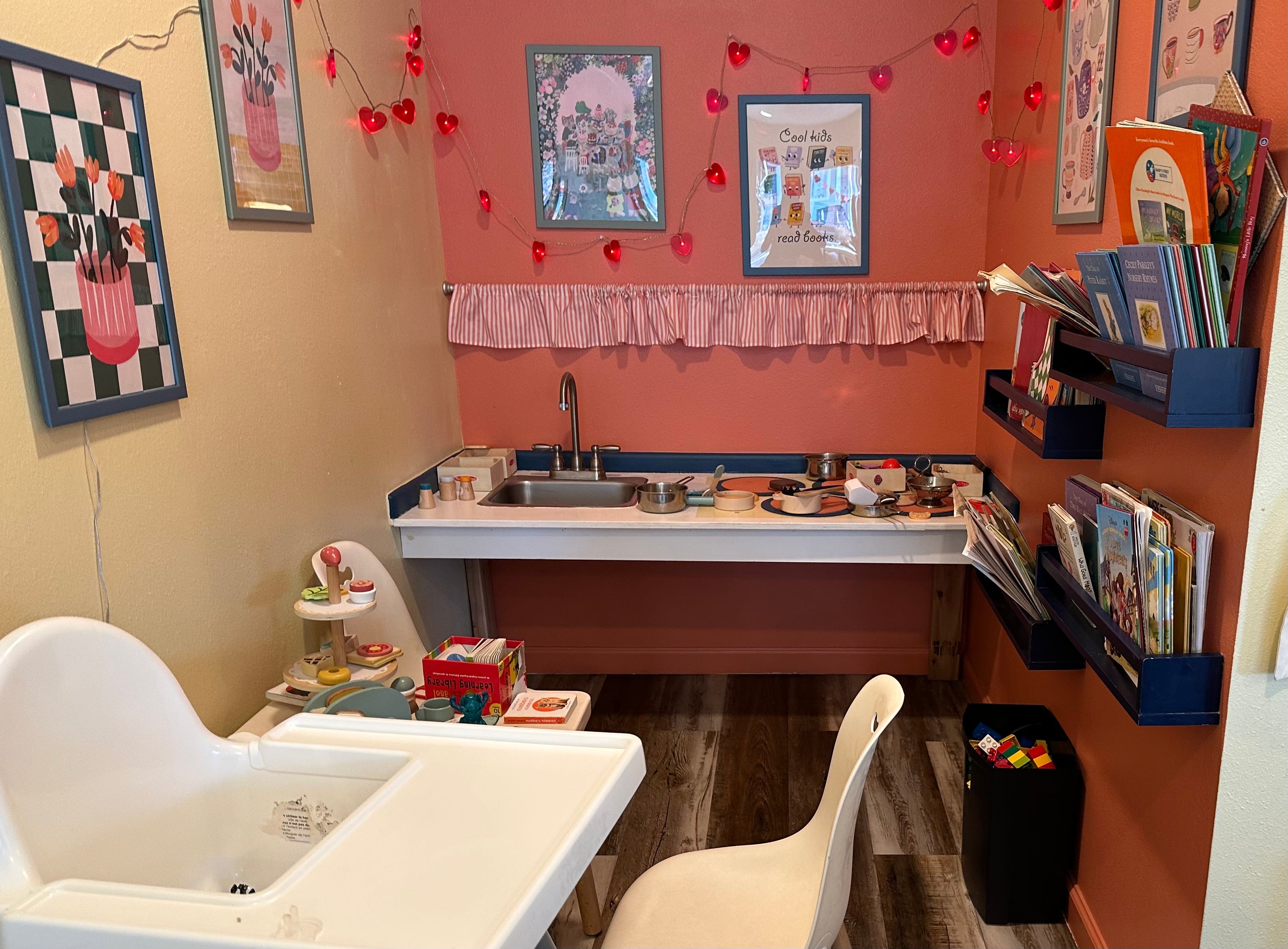
I am writing these words in a coffee shop that’s new to me, Parkrose Coffee Shop. This cafe is unique in that it has an alcove dedicated to children, with a little “cooking” setup.
It’s a swell place to work.
February’s charge
Becoming’s stated goal for February 2026 is a question: will you be writing this month?
If you are already pulling words out of your soul and slapping them on a page every day, or nearly every day, bravo!
If you are putting off writing, finding excuses, procrastinating, digging in your heels and crying, “don’t wanna!” . . . I hope I can coax you into at least giving it a try.
Writing, even writing well, is not a gift. It’s not a chore. It’s not an ego trip. It is a habit, a discipline, a creative process that becomes immensely satisfying once you catch its rhythm.
Just write
The best way to develop a habit is, duh, to make it habitual. So write. Write every day.
Julia Cameron’s enormously influential The Artist’s Way introduced millions to what she calls Morning Pages—three pages of handwritten stream of consciousness meant to be discarded unread.
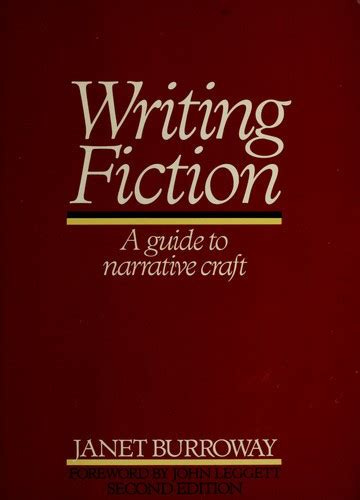
Thing is, I was doing that practice before she published her book in 1992. Janet Burroway, in her 1987 book Writing Fiction, attributed the process of writing daily from the subconscious to writer Dorothea Brande, who came up with it in the 1920s.
I call my morning pages “exers.” Back in the ’80s, PC file names could have only eight character. So all my files had the same format: EX plus the date, year first.
Here’s a random exer of mine from EX951101, the day after Halloween in 1995. I was writing at that time about a world where cities were categorized by color. This is, unedited, what I wrote about the Red City that day.
Red is the color of choice. A true Red wears at least a token bit of red in the wardrobe every day. All jewelry has at least one red dot, sometimes hidden, in it as a nod to this custom. The red dye comes from the pollen of a particular tree that is prevalent in town. It gives very nice shade, which is good because the sun is intense here. In the spring, it flowers for a day or two, and the whole town turns out to gather blossoms. It’s a festival. The bakers make pancakes and the brewers tap the first malt of the season. Everybody gets kind of loopy, then they fall into bed together and dream The Dream, the communal dream, dreamt once a year. It is full of prophecies. Everyone remembers some of the dream, nobody remembers all of it, so there are days of discussion and argument over what this year’s dream means. There is a famous case in folklore of a dream that was interpreted opposite of what it meant. True to the Red personality, it ends comically, not tragically. For they have no place for tragedy, the Reds. Why bother? Life is not particularly easy, but it is not difficult, either. Natural disasters are rare, and usually take the form of a lot of rain at one time or not enough rain for too long a time. They don’t know war, although of course there are arguments and disagreements and grudges kept, though hardly for longer than a week or two. The devil has evidently determined that Red is not worth his trouble. There are criminals, and the occasional psychopath, but we don’t have to write about them. Unless they are pilfering cakes from our heroine, who I don’t recall naming.
20 minutes is important
The Julia Cameron instructions for writing a Morning Pages call for three pages handwritten. I’ve never been able to write by hand due to lingering tendinitis in my right arm. So instead I type, sometimes furiously, for 20 minutes. That period of time has proved ideal for crafting a small story or diving deep into my emotions.
Around 10 minutes in, you may flag, thinking there’s nothing more to write. But press on, and soon you will have come up with insights that will astonish you. Where did they come from? Who knows? But the writing brought them to you.
To start sonnet
Begin the writing here, press on with cursor,
Paper, pen and ink, have what you will.
Just get the words down smoothly, let them out, or
Shake them up and spread them, you have the skill.

To make another meaning of mundane words
Stitching together images, right and wrong . . .
It’s like untangling reality—and then those cords
Become the chords of meaning in another song.

You feel the powder, pushing words around,
Making them to fit your wont, what you allow
The train barrels down a hill, the skiff runs aground,
Nothing can stop your word tsunami now.

Writing, writing, writing, freedom and done.
You change yourself, the world—let writing come!
Another thing to try
The folks in the Worm Zoom writing group I attend each weekday taught me a technique for getting into that zone where surprising things arise: Write words on index cards, shuffle them, chose half a dozen or so at random, then write an essay or a story using those words. You’ll find that other words—and worlds—pop out, and the result is always a surprise.
See, this is why writing matters, why it is so rich, why in the end it makes you bigger.
Keep a copy
I’ve never understood the stricture against reading over what you write in an exer. Why put it away without reviewing? This is silly, useless and counterproductive. You write, your unconscious pushes ideas and images to the fore—and you stash it away, or worse yet, destroy it, without acknowledging it? Not for me.
From Mrs. to Mason
Something I forgot to note when writing a few weeks ago about From the Mixed-up Files of Mrs. Basil E. Frankweiler is that the reader never knows Mrs. Frankweiler’s first name. She is just Mrs. Basil. That’s the way it was, way back in the mid-20th century and earlier. A woman, upon getting married, took her husband’s name, first and last. Tacking on “Mrs.” effectively erased the woman’s identity.
Mystery and coffee
In old “Perry Mason” episodes, which I’ve been streaming, married women are always “Mrs. So-and-so.”
I love those old shows—the crisp black-and-white photography, the stunning ladies fashions, the great plots, the iconic automobiles, the suave Perry and Paul Drake, and the unshakeable and always proper Della Street.
In one episode, “The Case of the One-Eyed Witness,” Perry and Della sit down for dinner at a fine restaurant. You can tell it’s fine because it has checkered tablecloths (surely they are red and white, even in black and white) and candles.
Della takes a peek at the menu. “You know,” she tells her boss, “this restaurant’s gonna need a lawyer one of these days.”
“Why?”
“Grand larceny. Look at these prices!”
After reminding Della that women aren’t supposed to look at the prices (in high-end restaurants of that era, women were often given menus with no prices listed), Perry realizes that coffee is $1. One dollar! Unbelievable.
It was 1958, after all. Inflation has boosted the worth of one 1958 dollar to $11.22 in 2026. So it was an expensive cup of Joe. Even a Starbucks cutsy brew doesn’t cost that much.
Names in the newsroom
When I started at The Oregonian in the 70s, reporters had to ask women if they wished to be referred to as Mrs. or Miss. Asking the question got uncomfortable as increasing numbers of women wanted to be Ms. It took The New York Times until 1986 to cave in and use Ms. I can’t recall just when The Oregonian made the switch, but this is moot because about then the newspaper stopped using honorifics on subsequent references. Just the last name, male or female.
Check out
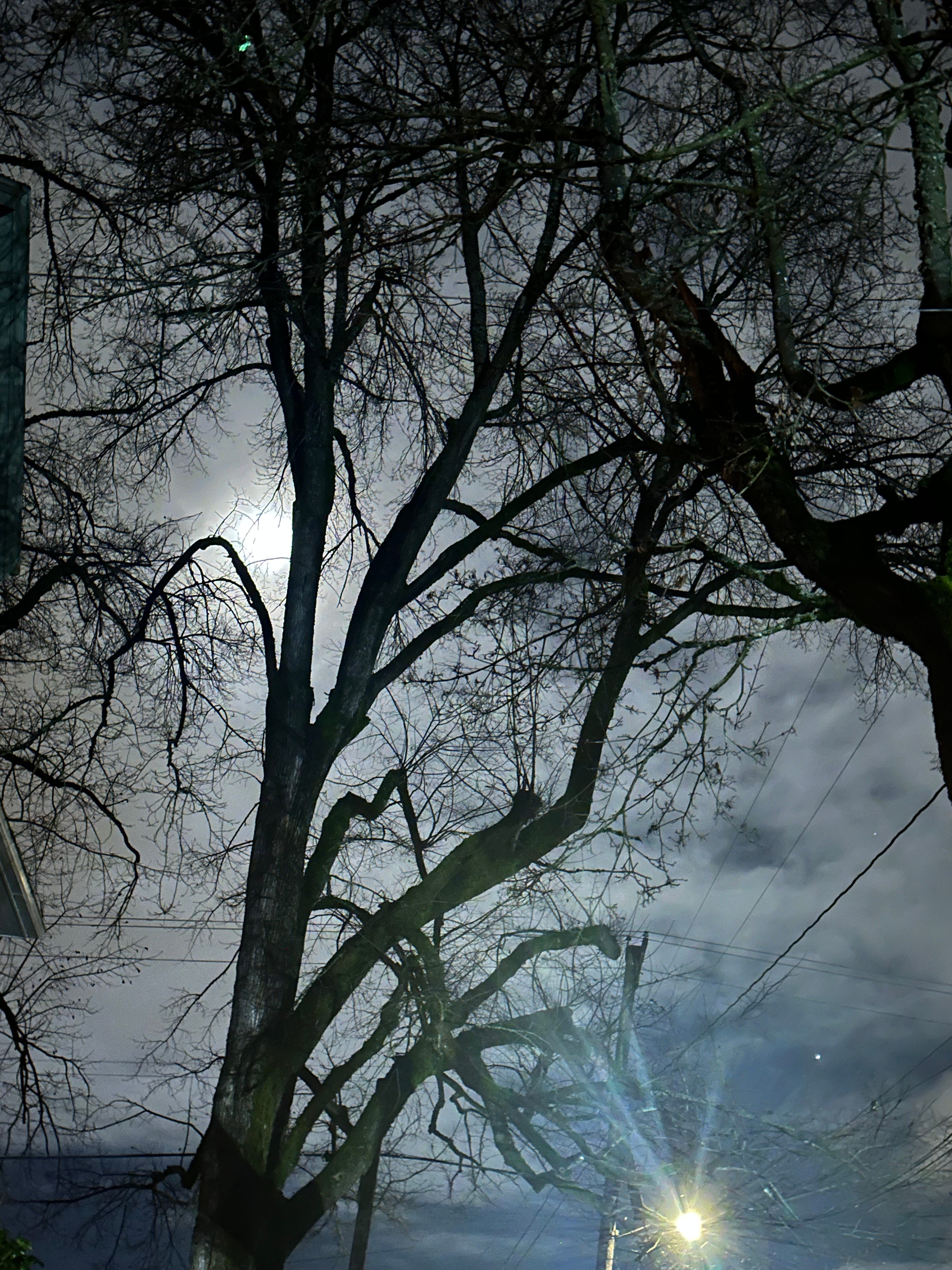
Another shot of darkness, with the moon included. I can’t get enough of the mystery.
One more synchronicity
While riding in my neighborhood, I stopped by a little library—and there was a book I had mentioned in the Frankweiler piece, The View from Saturday, by E.L. Konigsburg. This little paperback did not have a 50-shekel note tucked inside, as my first copy did, but as I reread it, I found a delicious quote. As Mrs. Olinski’s middle-school Academic Bowl team moves closer to winning a state trophy, their teacher muses:
To her four sixth graders puberty was something they could spell and define but had yet to experience.
Something else to check
The keys are in my pocket, yes, I have a handkerchief.
I’ve fed the pet and checked the locks, I’ve even brushed my hair.
I get to the bus stop ready  . . . But wait, there’s something else!
My journal, my hat, my address book. It just isn’t fair—
There’s always something forgotten, left as I lock the door.
Turn the wheelchair around, girl, there’s always something more.
Growing my Substack
This item has to do with the nuts and bolts of the Substack platform. It includes a fair amount of whining. If whining is not your thing, just skip it.
I’ve reached a plateau of readers—several hundred, less than a thousand. And now Substack has made changes that make it harder for me to attract new subscribers.
The social media component of Substack is called Notes. The idea of Notes is that you post little stories or quotes or observations or photos, often from work you’ve already published. Substack keeps track of reactions to your notes.
From a flow to a trickle
When Notes first started, I posted a photo that got about 10,000 likes and generated a number of new subscribers. Then Substack rewrote its Notes algorithm so that one’s work is presented to only a subset of readers who might be “interested” in it. In my case, that seems to be a small group, mostly my several hundred subscribers. Now I’m lucky to get four likes on a note, and many of these are from loyal readers (here’s looking at you, Catherine!) who have probably already seen the content in one of my long posts.
It seems to be a losing proposition. I can either spend time crafting notes and flinging them into an algorithmic ether, or use my effort here, on my real love, Becoming.
You can guess which I choose.
I’m writing for you, faithful readers—and for me. I’m thrilled when you make the time to read about what I’m doing and thinking. Forget Notes. I’d rather read my email, and I hate email.
The usual check out drill
Subscriptions to Becoming are valued, free or paid. Substack dings me if I forget to add the Subscribe button, so there it is, at the bottom.
I love comments.
Here’s the PayPal link where you can donate a freeform number of dollars in increments of five.
And with that, I bow out for another week.
Looking forward to enchanting you on February 7.
Love,
Fran
—30—
Your column is my favorite way to start the day as I sip that first cup of coffee. I save them in a separate folder so I can go back and reread them when I need something real and honest.
My kids and I are reading Mrs. Basil on your recommendation. We were a couple pages into the book and my 11 year old said, "Wait! Who's POV are we in?" I thought it was a pretty good question. It's first person, but it works like omniscient 3rd at the beginning when only Claudia and Jamie are in the story (I gather Mrs. B will join later).
I share your take on coffee and snack purchases as being rent for the space.