Time and vision

Check in
What makes a vision?
Riding the 75 bus up César Chávez Boulevard, I’m drawn in by the sight of bare, mossy trees in Laurelhurst Park and huge street trees in the Laurelhurst neighborhood. As I stare out the window of the bus, a line from a poem I published last week haunts me.
“What makes a vision?” I wrote then. Here, in this moment, what makes these trees special? I want them to stay the way they are now, forever.
All I know is I am sitting in a wheelchair in a bus, my heart capturing the tracery of these wintry branches. The moment is crystal. I step into it.
Enter the birds
Later in the day, as I am transcribing my notes about the trees at a coffee shop, I lift my eyes from my laptop screen to see rafts of crows flying in concert. In perfect formation, they skim, turn and twist amid fluffy white clouds in a cerulean sky. Everything has meaning, even faraway birds.
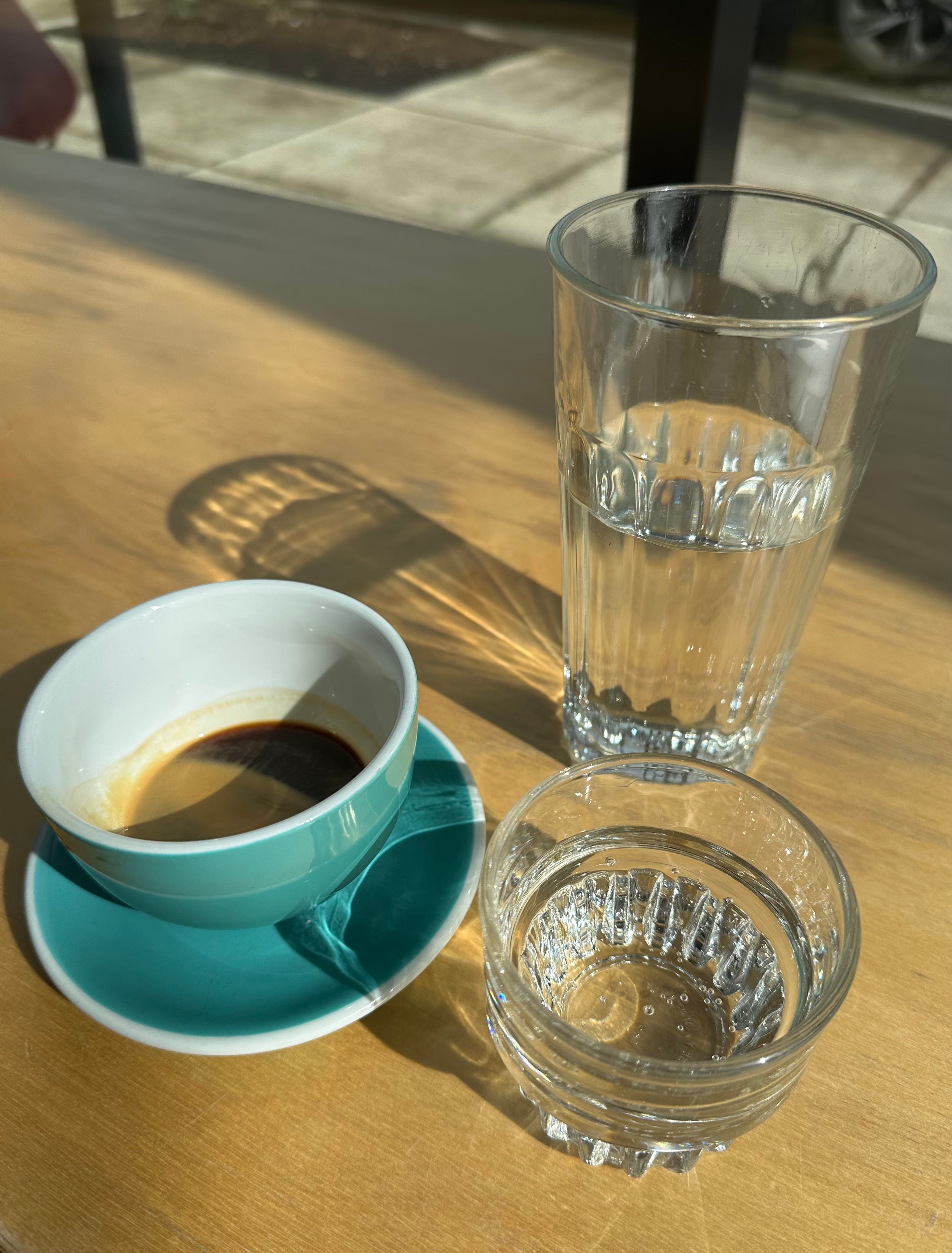
What makes a vision?
Pulling your self inside out,
Rearranging the molecules,
Thinking and intuiting, letting go.
Making paint from muddy earth,
Breathing the scents of spring.
Loving the world with more than passion,
More than everything. Loving it more.
I cannot find words adequate to describe my ecstasy. The being, the completeness. My vision, my own. I can’t describe it, yet I keep trying.
What comes next
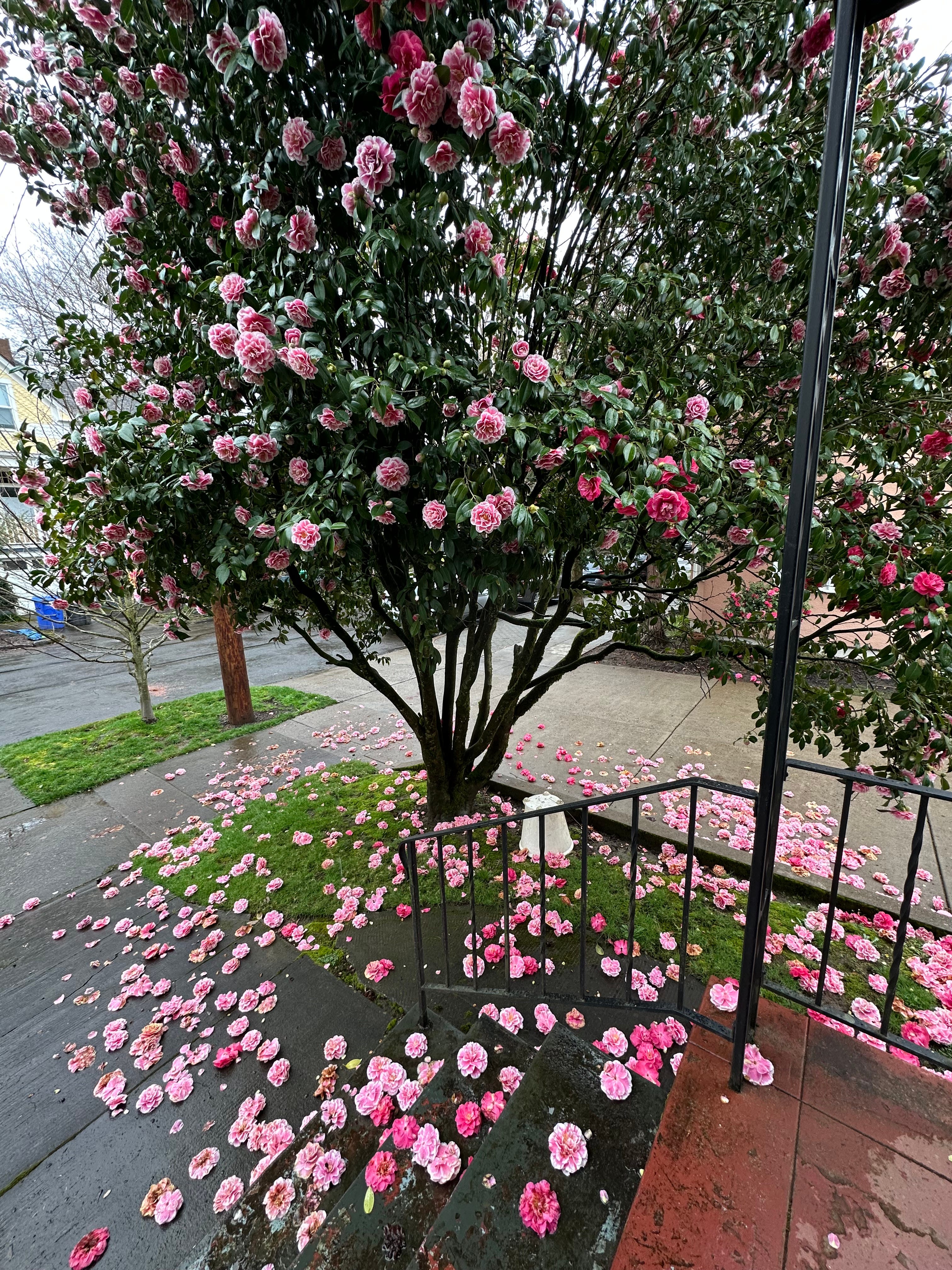
Outside, the first buds appear shyly on trees. Camellias are in full blossom. Crocuses push through dead leaves, seeking the sun. Now, my vision turns toward spring.
Spring forward
Daylight Saving Time 2026 starts tomorrow, March 8. We will be on it for eight months.
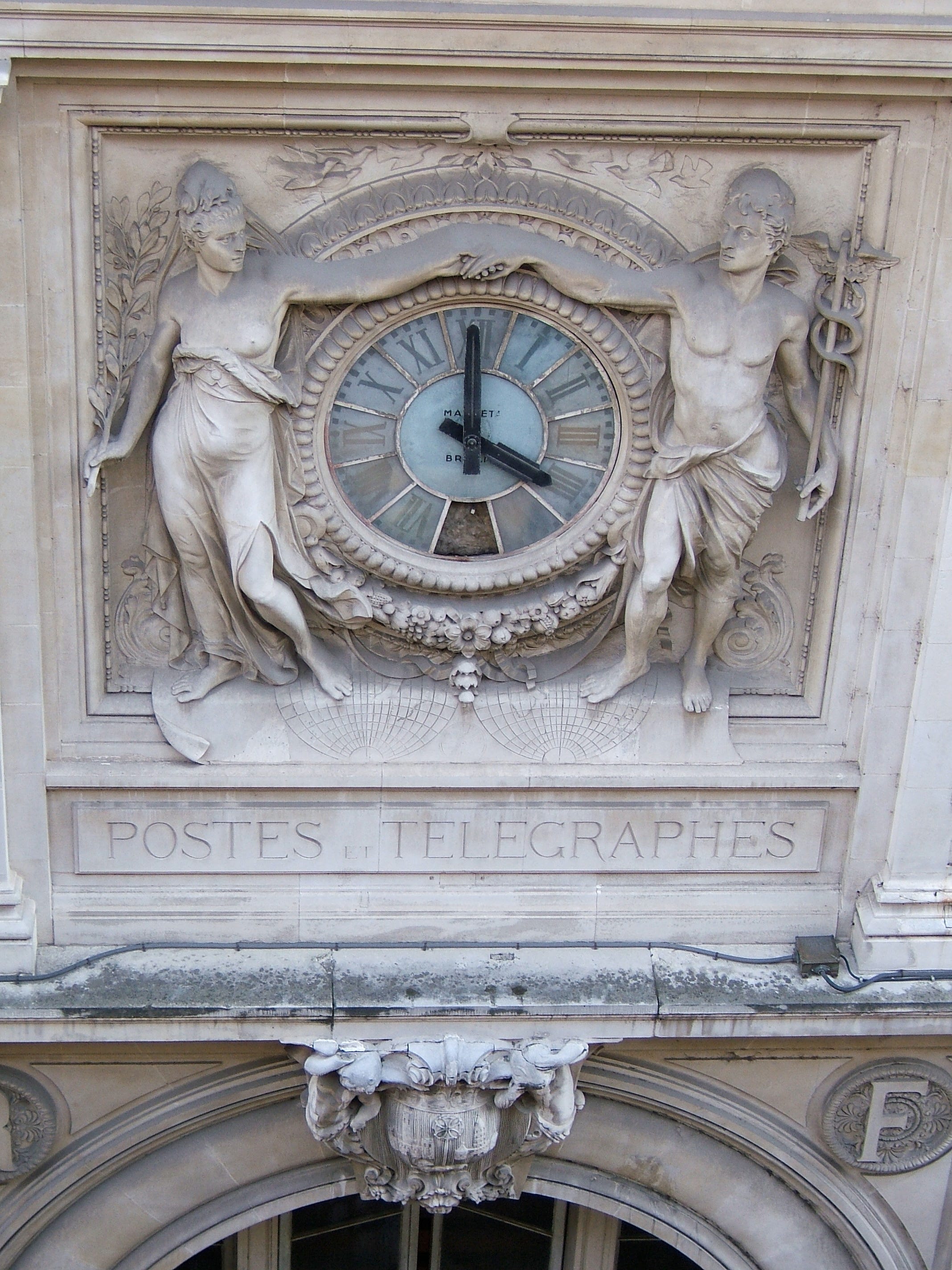
For more than 80 years, Americans have been changing clocks twice a year. Spring forward, fall back.
Every once in a while, there’s a push to move to Daylight Time year-round. But so far, the effort is mostly dithering. There have been periods in US history when Daylight Time was observed all year—during WWII and after the 1973 oil embargo, when it was in force from January 1974 to April 1975. Public pressure in the ’70s brought back Standard Time in the winter months.
What if we just stuck with Standard Time instead of Daylight? That would mean really early sunrises in the summer, around 4 am. Farmers would like that.
But America is not the nation of farmers it was when DST was adopted in 1942. Remember the little farm where Timmy lived in the TV series “Lassie”? Now most farming is agribusiness—big farms, big equipment, industrial practices.
Indiana, a state with many farms, didn’t observe DST for decades but returned to it in 2009. To this day, Hawaii and the part of Arizona that is not the Navajo nation abstain from Daylight Time.
Thunder Bay
Timeanddate.com notes that DST was first used in 1908 in Thunder Bay, Ontario, which at that time was Port Arthur.
Thunder Bay! Besides being a romantic name for a city, it’s the title of a book I just read. And my half brother Mark, who grew up in International Falls, Minn., lives in Thunder Bay in a beautiful house on a lake.
Connections and crosscurrents
Synchronicities bombard me. Sometimes it seems that everything I do, everything I think, everyone I meet, are all connected.
I recently found strands of meaning among
Two books I picked up at random from the library
Another book I found in a free box at church
A movie I chanced onto on Netflix
A book I reviewed for Oregon Arts Watch
The point here isn’t that I am clever to see these connections. It is that the connections exist, making my life a giant web of coincidences.
Looking for the lost
Three of the stories I’ve encountered are about searching for people who are missing. In her memoir Unfixd, Kimberly Warner searches for the cause of her mysterious disability—it turns out to be mal de debarquement— while also tracking the biological father she first heard about as a teen. She finds his legacy, eventually, and a new family as well.
In Rental Family, a movie on Netflix, an American actor living in Japan lands a gig posing as family for various clients. His first role is to “marry” a Japanese woman and “move with her to Canada,” allowing her, after the fake marriage, to disappear with her female lover. Her family will never know the true story.
After initial squeamishness about pretending to be someone he’s not, even to the point of taking part in a sham marriage, the man realizes he has an important role to play as a stand-in for someone who’s not there.
In Thunder Bay, a mystery by William Kent Krueger, an ancient Ojibwa medicine man, the spiritual adviser of a former sheriff who’s now a private eye, asks his friend to seek out the son he is sure exists but whom he’s never seen. He’s had visions about the boy, now grown—it’s been more than 70 years—and thinks he might be in trouble. The plot and the characters are complicated. So many things and people are not what they appear. This book is a fine thriller, but what really grabbed me was the great writing.
Racial identity
Two of the booksI read share a thread about the role of race in America.
In The Scammer, a YA novel by Tiffany D. Jackson, a Black woman attending a historically Black college explores race through her friendship with the school’s only white student. Meanwhile, her roommate’s ex-con brother moves into her dorm room, where he exerts Svengali-like influence over students at the school, even influencing the way they eat. The emotional abuse is raw, sometimes hard to absorb. Semi-spoiler alert: the scammer is not who you might think. The ending is shocking.
Waking Up White, And Finding Myself in the Story of Race, by Debby Irving, the author explores her growing realization that the American playing field is very uneven. Like her, I didn’t wake up to how much being white has privileged me until relatively recently.
As the author notes on her website:
My hope is that by sharing my sometimes cringe-worthy struggle to understand racism and racial tensions, I offer a fresh perspective on bias, stereotypes, manners, and tolerance. As I unpack my own long-held beliefs about colorblindness, being a good person, and wanting to help people of color, I reveal how each of these well-intentioned mindsets actually perpetuated my ill-conceived ideas about race.
Books can be dangerous. They’re full of ideas! And they can also be liberating. As these books—and the movie—were for me.
The end of winter
We were just talking about agriculture . . .
Winter wheat
Wheat grows, wheat is harvested
Winter settles on the land.
Wheat is milled, flour is baked
Sturdy bread, made by hand.

In the warm kitchens of winter
Kneading the bread on a board
Sometimes the flour makes cookies
Sometimes a biscuit is scored

The heat of the stove in the winter
Baking and breaking our fast
Roasting a bird with potatoes
Making the vegetables last.

Thanks to Spirit for providing
Wheat and its non-gluten friends
I’m baking less now that I’m keto
And my cooking with carb’s at an end.
Check out
No plug in
I willingly pay the “rent” to write in a coffee shop by buying an expensive beverage. I usually stay just an hour or so.
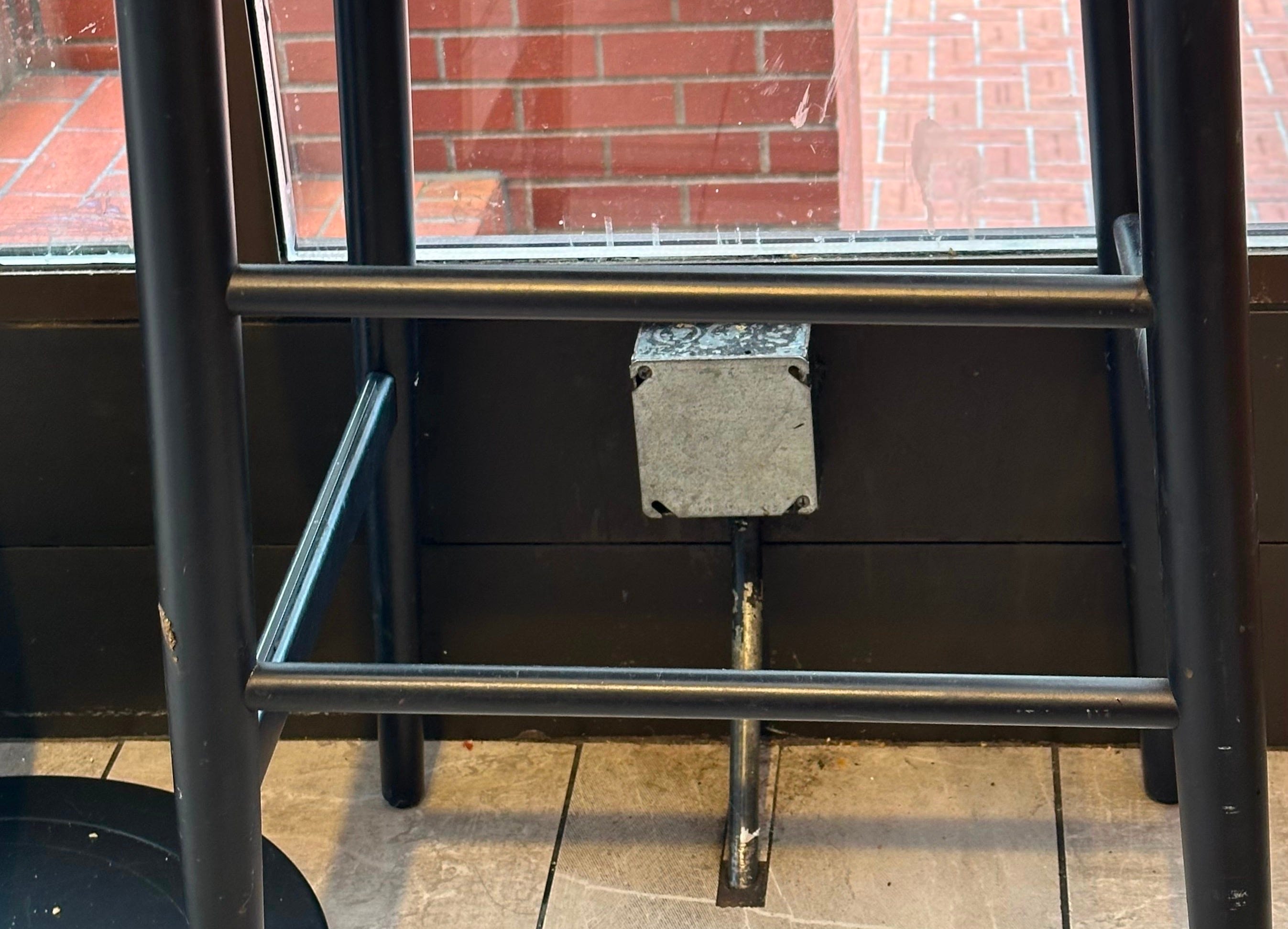
Lately I’ve been encountering some shops where all the electrical outlets have been covered. I assume this is to keep squatters from plugging in a computer power supply and settling in for a long stay.
But I need an outlet when my wheelchair’s battery is low. I can’t risk running out of juice. So I’ll have to check these coffee shops off my list.
Luckily, Portland has plenty of other coffee shops to choose from.
Writing with others
I’ve mentioned a number times before that for two hours each weekday morning I sit with a handful of others in a Zoom writing session. The synergy of writing with others, even at great distances, as some of the participants are in Europe, is palpable.
Writing group
Sharing our energy, sitting together,
Pen in hand or hands on the keys.
Does energy multiply? We’re finding that out.
Envisioning writing that others can see.

Why write for yourself when you can have followers?
People are willing to read what you pen.
Just nix on cliches and the hemorrhaging cursor.
Keep it short, keep it neat. You’ll know when

To strangle the babies, the words that you love
That are too cute or too strained, not ready for viewing.
Stick to your topic, or range over the map.
Whatever you do, just keep on doing.
Till next week
Thank you for reading Becoming. I enjoy writing it.
Thanks to all subscribers, and special thanks to those who support me as paid subscribers. I value you guys!
Here’s the PayPal link where you can donate a freeform number of dollars in increments of five.
Bye for now,
Fran
—30—
I can just picture those trees in Laurelhurst Park. Magnolias are finally in bloom here so spring has sprung (despite some backsliding weather). Wonderful synchronicities.
I loved this one, Fran! The ecstasy of being... and all the synchronicities. This chanegd the fabric of my day.